Nepal Flash Floods: Medical Aid Teams Reach Evacuees in Remote Areas Amid Rising Toll
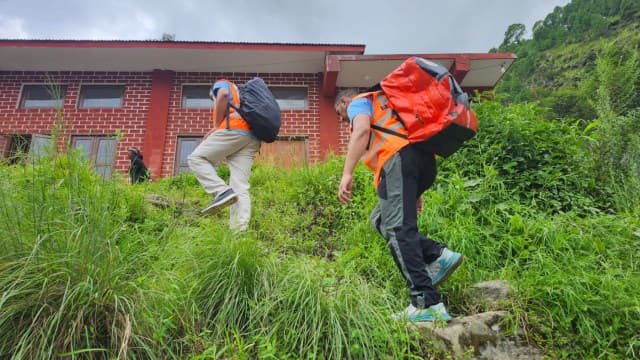
With more than 25 miles of roads destroyed in northern Nepal by recent floods and debris flows, first responders are pushing into remote areas to deliver care.
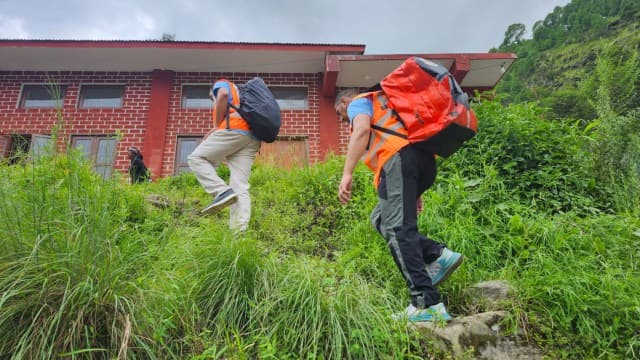
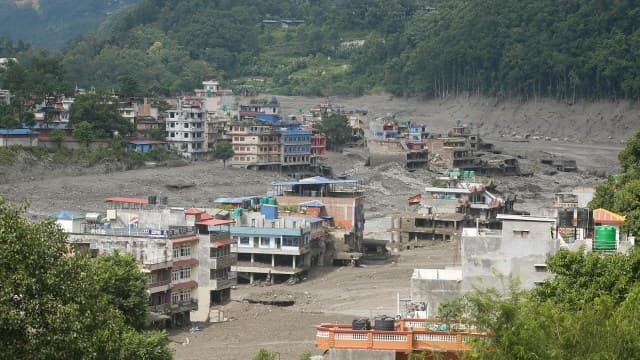
Medical outreach teams are treating evacuated patients, including families sheltering in a Nepal Army barracks, as part of an effort to bring care to remote mountainous parts of Nepal where roads and bridges have been washed out for miles. The Aug. 25 floods and debris flows tore through northern Nepal, killing at least 538 people.
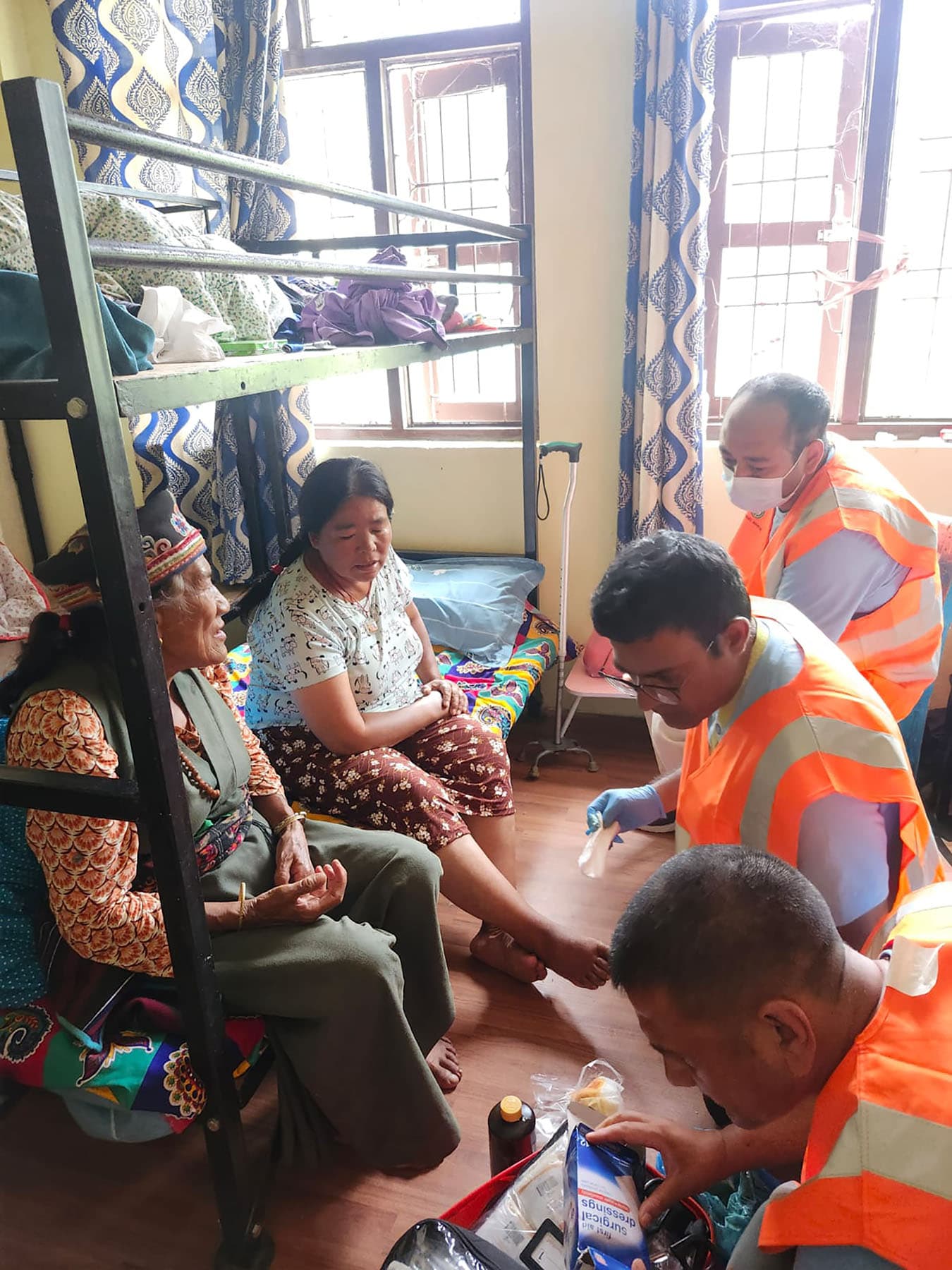
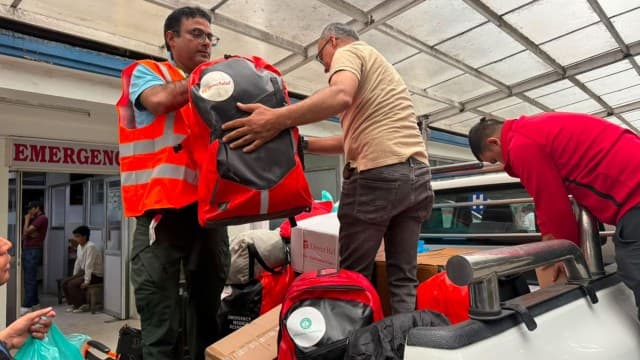
Teams from Dhulikhel Hospital reached evacuees with patient care, as did Mountain Heart Nepal, a medical group that specializes in outreach to the Himalayan foothills.
Rescue operations are continuing, and the number reported missing — more than 1,900 — has doubled in recent days. More than 90 Americans remain unaccounted for in the region, according to a Friday announcement from the U.S. State Department.
More than 3,700 people have been rescued so far, and both Dhulikhel Hospital and Mountain Heart Nepal continue to provide care for evacuees. Both organizations are equipped with Direct Relief-provided field medic backpacks, which carry essential supplies for first responders providing care outside of clinic walls, along with other requested supplies.
Long-Term Health Risks Escalate as Direct Relief Scales Up Response
Direct Relief is preparing a large shipment of medical support for Dhulikhel Hospital, Mountain Heart Nepal, and other partner organizations. That aid includes medications for chronic disease management, including diabetes and COPD, along with wound-care supplies and other requested items. Direct Relief is also providing Mountain Heart Nepal with emergency operating funds to support the immediate work of getting medical services to communities cut off from care.
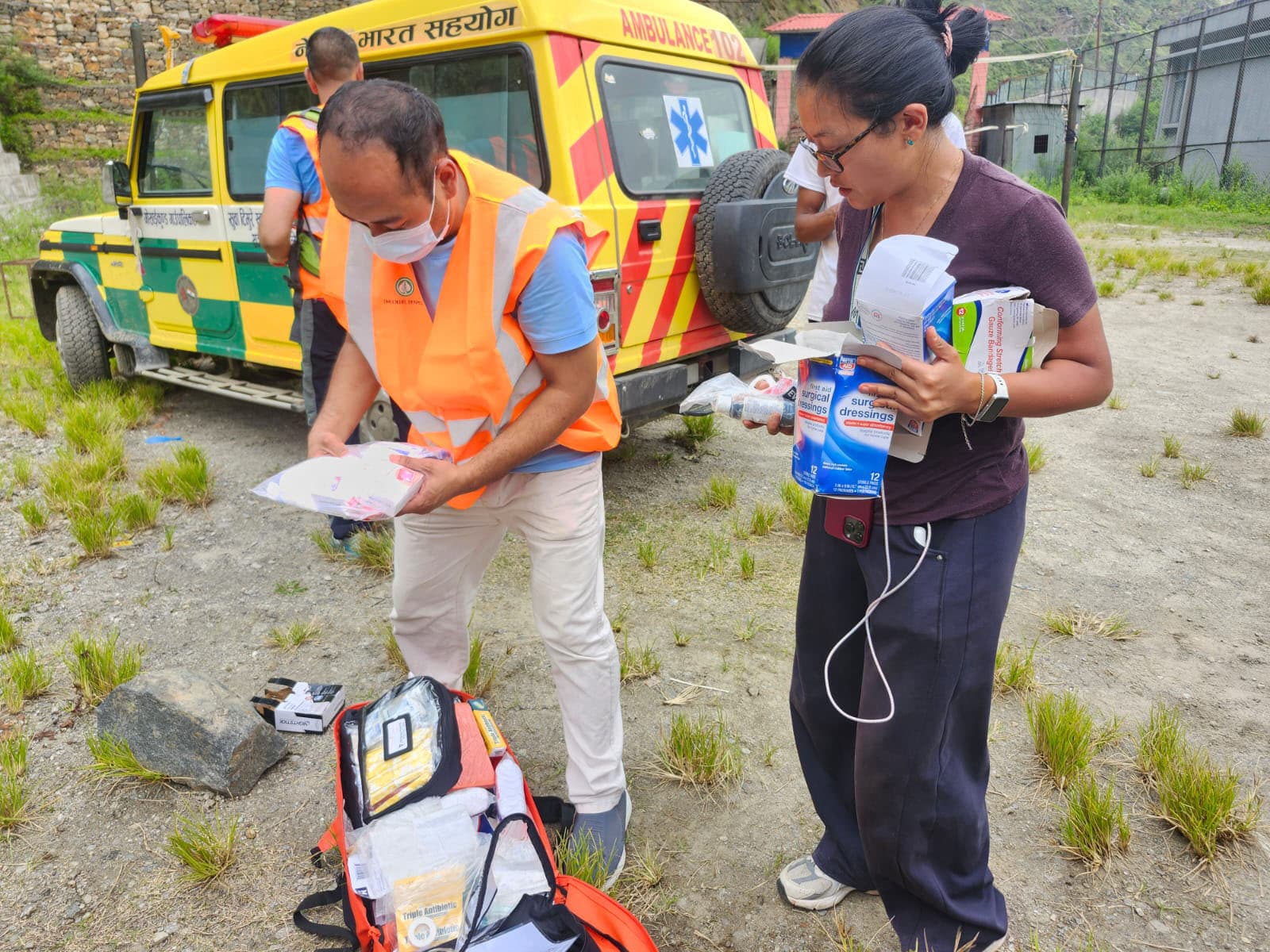
"There has been significant damage across all infrastructure," said Dustin Shiau, Direct Relief's emergency response manager for Asia Pacific, during a Friday briefing for staff. "Access is and will remain the major challenge," he added, pointing to transportation routes that were already limited before the flood struck mountainous areas.
At least 25 miles of roads have been washed away or destroyed by the floodwaters and mud, according to Nepal's Department of Roads — leaving at least 250,000 people stranded with little access to basic needs.
Direct Relief keeps a broad inventory of medications and supplies on hand for disasters, including essential medicines, surgical supplies, water purification equipment, personal protective gear, and more. The organization is coordinating with multiple response organizations in the country, including nonprofit partners, hospital systems, and Nepal's Ministry of Health.
Direct Relief's history of support for Nepal goes back years, including through the country's devastating 2015 earthquake, which killed 9,000 people and caused massive damage to infrastructure, including health services.
Since 2009, the organization has provided more than $119 million in medical aid to Nepal across 48 partner organizations — 206 shipments, 638,000 pounds of aid, and 34.9 million defined daily doses of medicine, including a $287,000 shipment of diabetes and cancer medications delivered this month, before the flood struck.
Frequently Asked Questions
Filed Under: Asia, Community Health, Disaster Prevention, Emergency Medical Pack, Extreme Weather, Flooding, Health, Nepal
Related Stories →
 NEPAL FLOODS 2026
Nepal Flash Floods: Medical Teams Deploy to Emergency Zone
 NEPAL FLOODS 2026